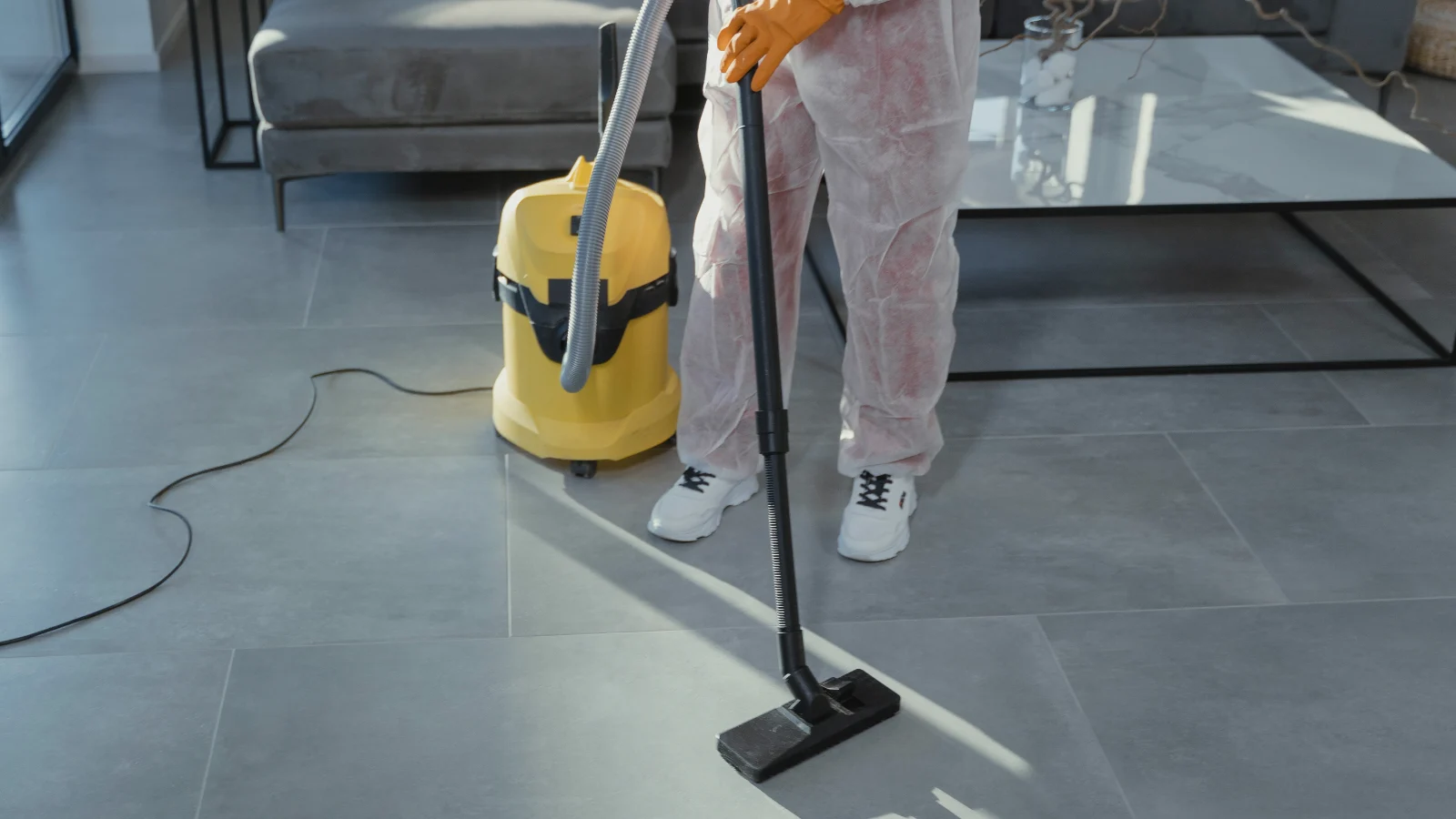
Maintaining a safe and clean workspace in South African industrial environments requires equipment that can handle more than just surface dust. From leaky pipes in a warehouse to fine debris in a workshop, an industrial wet and dry vacuum is a versatile tool for property care and hazard management.
Choosing the right unit involves understanding the volume of waste you need to clear and the environment in which the machine will operate. Whether you are dealing with dry dusty conditions or seasonal rain flooding, the correct specifications ensure the machine lasts through heavy use.
Tank Capacity and Material
The size of the tank determines how long an operator can work before needing to empty the machine. This is particularly important when dealing with liquid spills, as water occupies volume quickly.
- 30 Litre Units: A compact stainless steel 30L vacuum is suitable for smaller workshops or office maintenance. It is light enough to move quickly between rooms while offering robust protection against bumps.
- 60 to 80 Litre Units: For large-scale industrial sites, warehouses, or car washes, higher capacities are necessary. An 80L tank allows for significant liquid recovery during site clean-ups without constant interruptions.
The choice between stainless steel and plastic often comes down to the nature of the debris. Stainless steel tanks offer high durability and resistance to impact in busy construction or factory settings. Plastic tanks are often used in automotive environments where chemicals or detergents are common, as they do not corrode.
Motor Power and Suction Strength
In an industrial setting, suction power is measured by the number of motors and the total wattage. Standard domestic units often fail when faced with the heavy sludge or thick dust found on farms and construction sites.
Single Motor vs Multi-Motor
A single-motor 1000 W unit is sufficient for basic dust control and small puddles. However, for demanding industrial tasks, moving to a two-motor or three-motor setup is recommended.
Two-motor 2000 W machines provide the extra lift needed for heavier debris. If you are clearing large volumes of water or thick industrial waste, a three-motor 3000 W vacuum offers maximum suction, ensuring the floor is left dry and safe for foot traffic. Multiple motors also allow for redundancy; if the job is light, you can run fewer motors to save energy.
Practical Use and Maintenance
To keep an industrial wet and dry vacuum in good working order, operators must follow simple maintenance steps. The most important rule is the handling of the filter bag. When switching from dry dust collection to liquid recovery, the filter bag must be removed. Sucking up water through a dry filter can damage the motor and reduce suction.
Other features to look for include:
- Hose length: A standard 2.6 m hose provides enough reach for most floor work, but ensure the unit has a stable wheelbase for easy movement.
- Tank diameter: Wider tanks, such as those with a 440 mm diameter, provide a lower centre of gravity, preventing the machine from tipping over when full of liquid.
- Motor life: Industrial motors generally provide between 700 and 850 hours of service life. Regular servicing ensures the machine reaches this potential even in dusty South African conditions.
Custom and Specialised Solutions
While standard vacuums handle most spills, some environments require specialised high-pressure equipment to work alongside them. In food-processing plants or butcheries, a stainless steel vacuum might be paired with a wall-mounted pressure washer like the PWB-S to ensure total hygiene. For car washes, mobile valet dryers like the DRY unit can complement the vacuuming process by using heated air to dry vehicle interiors after the liquid has been extracted.
If you have a unique site layout or a specific type of waste to manage, we can assist in finding the right combination of suction and pressure to keep your operations running smoothly.
If you need help choosing a machine for your site, get in touch with us.